
From the bustling textile mills of the 19th century to the high-tech laboratories of Kendall Square, Massachusetts has long been the world’s “engine room” for ideas. The Commonwealth isn’t just home to prestigious universities; it is the birthplace of tools that redefined how we communicate, travel, and even eat.
Here are the Massachusetts inventors who didn’t just file patents they changed the course of human history.
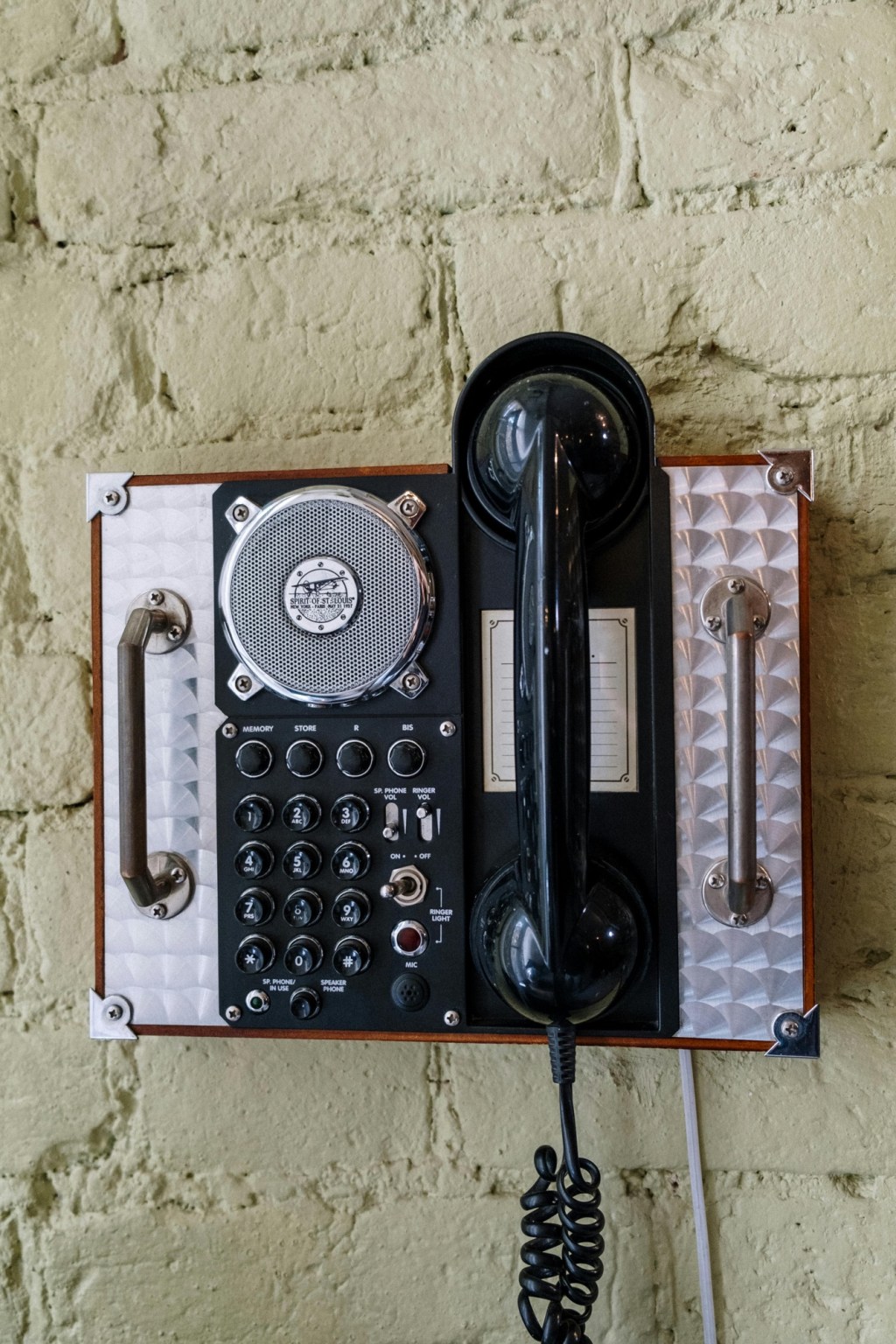
- Alexander Graham Bell: The Birth of the Telephone
While Bell was born in Scotland, the “Eureka” moment of the telecommunications age happened in Boston. In 1876, at his laboratory on Court Street, Bell and his assistant Thomas Watson successfully transmitted the first intelligible speech over a wire.
The Impact: This invention effectively shrank the world. It laid the groundwork for the global telecommunications infrastructure, eventually evolving into the internet and the smartphones we carry today. - Robert Goddard: The Father of Modern Rocketry
Every satellite in orbit and every mission to Mars owes a debt to Auburn, Massachusetts. On March 16, 1926, Worcester-born physicist Robert Goddard launched the world’s first liquid-fueled rocket from a quiet cabbage patch.
The Impact: Though his neighbors (and the press) initially mocked him, Goddard’s work proved that propulsion was possible in a vacuum. His patents on multi-stage rockets and liquid fuel systems are the literal blueprints for the Apollo Moon landings and modern space exploration. - Percy Spencer: The Microwave Oven
During World War II, Percy Spencer was a self-taught engineer working for Raytheon in Cambridge. While standing in front of an active radar set (a magnetron), he noticed a peanut butter chocolate bar in his pocket had melted.
The Impact: Spencer realized that microwave radio signals could cook food. By 1947, the first “Radarange” was being sold. Today, the microwave is a kitchen staple in over 90% of American households, revolutionizing food preparation and the global frozen food industry. - Eli Whitney: The Cotton Gin and Mass Production
A native of Westborough, Eli Whitney is most famous for the cotton gin (1793). However, his most world-changing contribution may have been the concept of interchangeable parts.
The Impact: While the cotton gin radically (and controversially) transformed the Southern economy, his work on musket manufacturing for the U.S. government introduced the idea of standardized, replaceable parts. This became the foundation of the American System of Manufacturing, paving the way for the Industrial Revolution and Henry Ford’s assembly line. - Samuel Morse: The Telegraph and Morse Code
Born in Charlestown, Morse was a successful painter before a personal tragedy—the slow delivery of a letter informing him of his wife’s illness—inspired him to find a faster way to communicate.
The Impact: Morse didn’t just invent the hardware of the telegraph; he created Morse Code, the world’s first digital language. For the first time in history, information could travel faster than a horse, allowing for real-time news, stock market updates, and military coordination. - Notable “Firsts” from the Bay State
Beyond these heavy hitters, Massachusetts is responsible for a surprising variety of modern essentials:
Inventor / Invention / Location / Year
Charles Goodyear Vulcanized Rubber Woburn 1839
King Camp Gillette Disposable Razor Boston 1901
James Naismith Basketball Springfield 1891
Ruth Graves Wakefield Chocolate Chip Cookie Whitman 1938
Tim Berners-Lee World Wide Web (W3C) Cambridge 1994
The Legacy Continues
The spirit of invention hasn’t slowed down. Massachusetts remains a global leader in Biotechnology, Robotics (home to Boston Dynamics), and Green Energy. From the first rocket to the first phone call, Massachusetts inventors have proven that a small state can cast a very long shadow.

Leave a comment