
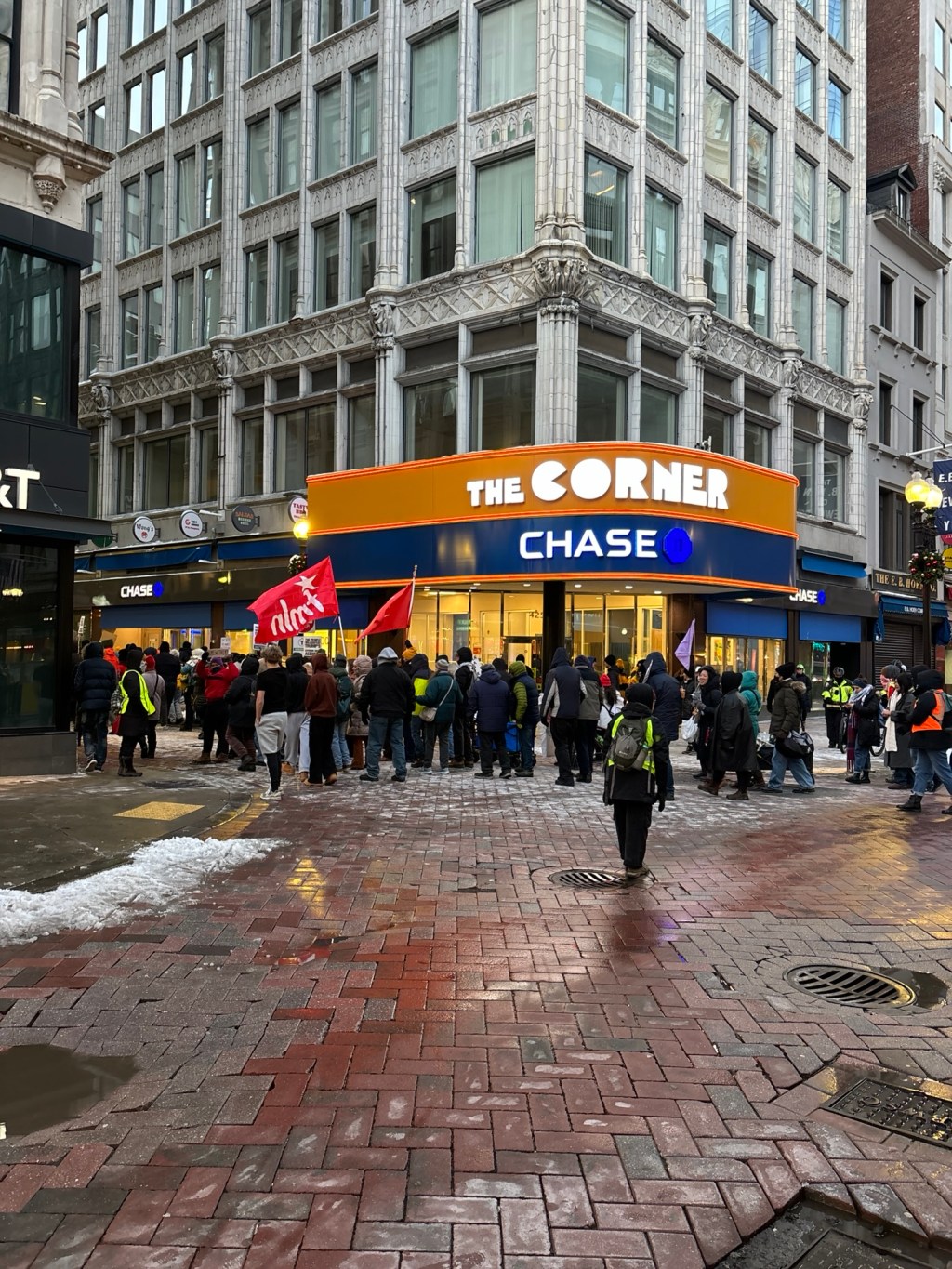
Boston has long been celebrated for its rich history, cultural diversity, and vibrant communities. However, beneath the surface, conversations about race and inequality continue to surface — raising the question: is Boston a racist city?
Many residents and visitors have shared experiences that suggest racial tensions persist in various aspects of daily life. From job opportunities that feel limited for people of color to subtle but persistent stares and judgments, there’s a sense among some that they are seen through the lens of stereotypes or biases. In workplace environments, some report feeling talked down to or undervalued because of their race, affecting their confidence and growth.
The recent incident involving Zac Segal at a car wash in Allston has reignited these conversations. Segal, a Boston University student, was accused of calling ICE on workers, an act that many see as an example of how privilege can be weaponized against marginalized communities. This event highlights the ongoing challenges around race, power, and justice in the city.
While Boston is home to many who work tirelessly to promote equity and inclusion, the realities of racial bias and systemic inequality remain. Acknowledging these issues is the first step toward creating meaningful change.
Boston’s story is complex — a city proud of its progress but still grappling with its history and present challenges. The dialogue continues, and the hope is that through awareness, education, and action, Boston can move closer to becoming a city where everyone truly feels seen and valued.

Leave a comment