
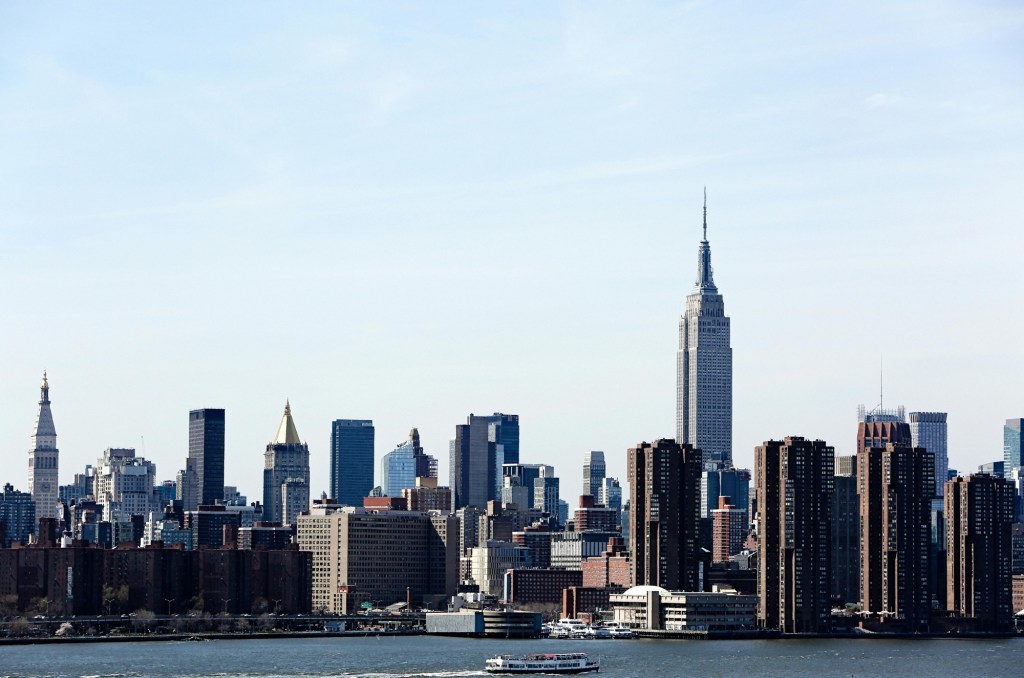
New York, one of the most iconic cities in the world, has a rich and complex history that spans centuries. Known today as a global center of finance, culture, and diversity, its story begins long before skyscrapers and subway lines.
Early Beginnings and Native Inhabitants
Before European settlers arrived, the area now known as New York was inhabited by the Lenape people, an Indigenous group who lived in the region’s forests, rivers, and coastlines. The Lenape thrived off the land, hunting, fishing, and cultivating crops, and they had a rich culture with complex social structures.
European Exploration and Colonization
In 1609, English explorer Henry Hudson sailed into the harbor aboard the ship Halve Maen (Half Moon), searching for a northwest passage to Asia. Though he never found the passage, his voyage opened the door for Dutch colonization.
In 1624, the Dutch established a settlement called New Amsterdam on Manhattan Island. This became a crucial trading post for the Dutch West India Company, primarily focused on fur trade with Native Americans. The settlement was diverse from the start, welcoming people of different backgrounds.
British Takeover and Growth
In 1664, the British seized control of New Amsterdam without much resistance, renaming it New York in honor of the Duke of York. Under British rule, the city grew rapidly as a commercial hub, benefiting from its strategic harbor and position along major trade routes.
Throughout the 18th century, New York became a center of political and economic activity, playing a significant role during the American Revolution. The city was occupied by British forces for much of the war but later served as the first capital of the United States from 1789 to 1790.
19th Century: Immigration and Industrialization
The 19th century was a period of massive change. New York transformed into the primary entry point for millions of immigrants, especially through Ellis Island, which opened in 1892. Immigrants from Europe arrived seeking opportunity, and their cultures blended to shape the city’s vibrant identity.
Industrialization fueled the city’s growth, with factories, railroads, and shipping industries booming. Iconic landmarks like the Brooklyn Bridge (completed in 1883) symbolized New York’s rising prominence.
20th Century to Today: A Global Metropolis
New York faced challenges such as the Great Depression and World Wars but emerged resilient. The city became a symbol of freedom and opportunity, especially after the Statue of Liberty was erected in 1886 as a welcoming beacon for newcomers.
Post-war New York saw cultural revolutions in art, music, and fashion, becoming a center for movements like jazz, hip-hop, and modern art. It also grew into a financial powerhouse, home to Wall Street and the United Nations headquarters.
Despite setbacks like the 9/11 attacks in 2001, New York continues to rebuild and evolve, maintaining its status as a city that never sleeps—a global beacon of diversity, ambition, and resilience.

Leave a comment