
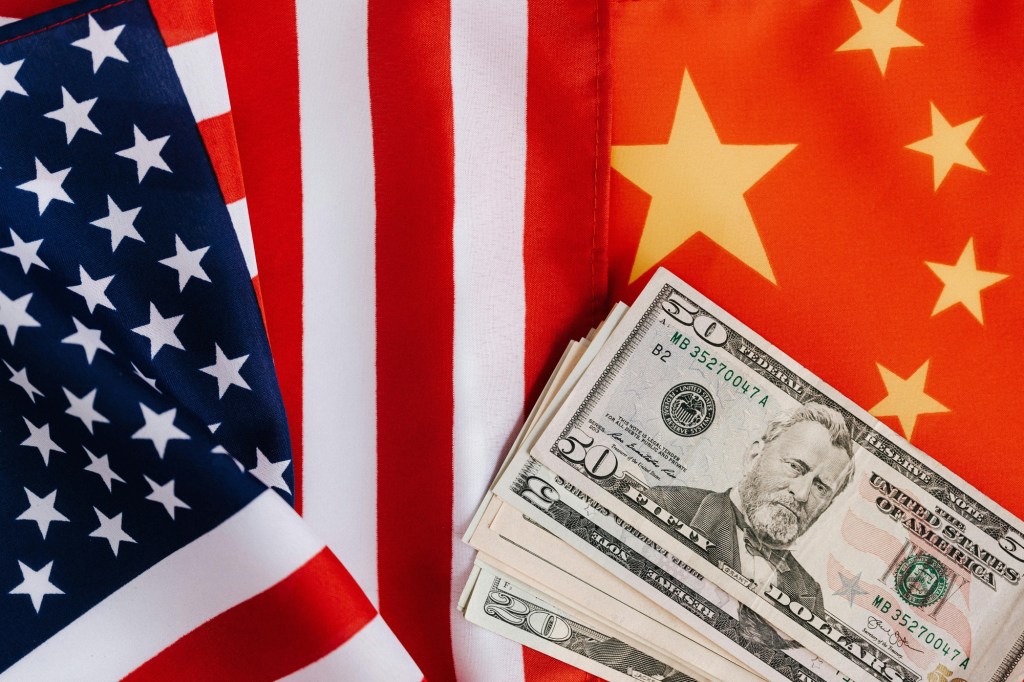
At their meeting in Busan, South Korea, Donald Trump (President of the United States) and Xi Jinping (President of China) agreed to ease trade friction between their countries. The encounter marked their first face‑to‑face discussion since 2019.
Key Elements of the Agreement
The U.S. will lower tariffs on Chinese imports — Trump announced an immediate reduction in the U.S. rate. In exchange, China committed to resuming large‑scale purchases of U.S. soybeans and other farm goods. China also agreed to postpone or abandon export controls on rare‑earth minerals critical to tech manufacturing. Both nations pledged to cooperate more closely on preventing the flow of fentanyl and its precursor chemicals into the United States. The leaders also announced reciprocal visits: Trump plans to travel to China in April; Xi will visit the U.S. at a later date.
What It Means
This agreement can be seen as a truce rather than a full‑scale resolution of all issues. Although the leaders hailed the outcome — Trump described the meeting as “amazing” — many of the deeper, structural conflicts between the U.S. and China remain unaddressed.
From the U.S. standpoint, the deal offers relief for American farmers (via increased sales to China) and firms affected by rare‐earth supply pressures. From China’s perspective, the truce eases the tariff burden and the pressure of unilateral trade escalation.
For global markets and supply chains, the agreement brings temporary stability—companies reliant on rare earths, semiconductors, and agricultural exports will watch closely to see whether the commitments hold.
Why It Matters
The U.S. and China together represent the world’s two largest economies; movements in their bilateral relationship ripple widely through global trade, finance, and supply chains. Rare‑earth minerals and semiconductor supply have become strategic flashpoints: China wields export control power in these domains, and the U.S. has signalled concern over dependency risks. The Busan meeting signals a pause, though not an elimination, of that risk. Agriculture exports have long been a major battleground: U.S. farmers have suffered under China’s retaliatory purchase freezes in prior disputes. The resumption of sales is politically significant for farming communities. The fentanyl precursor pledge is notable because it links trade diplomacy with security and illicit‑flow concerns, illustrating how the two governments are trying to intertwine economic and law‑enforcement cooperation.
Looking Ahead
While the summit produced concrete statements of intent, the long‑term durability of the truce remains to be seen.
The agreement is annual‑renewable, suggesting that both sides view it as a stop‑gap rather than a permanent settlement. Structural disagreements—such as China’s industrial policy, overcapacity, intellectual property, and technology transfer—were not fully resolved during the meeting. Markets and businesses will be watching for follow‑through on China’s purchase commitments, the rare‑earth policy timeline, and the enforcement of the fentanyl pledge. The scheduled reciprocal visits will carry symbolic weight: a U.S. leader visiting China, and a Chinese leader visiting the U.S., could further thaw or test the relationship depending on how they go.
In short: the Busan meeting between Trump and Xi produced a meaningful step forward—a pause in escalating trade tensions and a series of mutual commitments. But it is neither a full resolution nor a comprehensive overhaul of U.S.–China economic rivalry. The real test will be whether both sides implement the deal, and whether deeper issues are addressed in coming months.

Leave a comment